
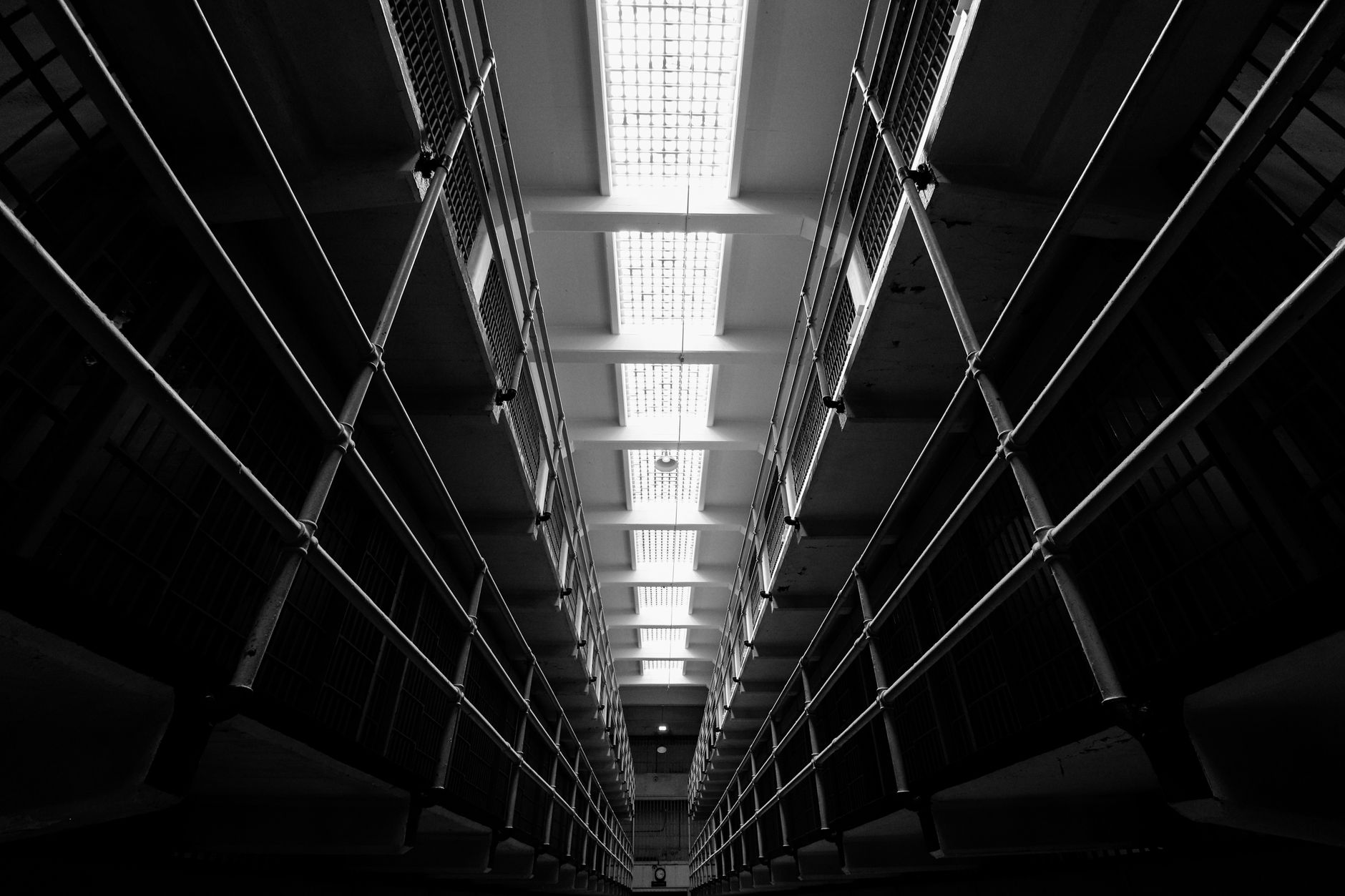
Myth: Community safety is created through punishment alone.
Fact: Lasting safety is strengthened when communities invest in prevention, healing, accountability, and meaningful support.
When harm occurs, people deserve to be safe, and those harmed deserve care, validation, and opportunities for repair. But a response focused only on punishment poses a risk of overlooking the conditions that contributed to harm in the first place: trauma, poverty, exclusion, unmet mental-health needs, and barriers to education, housing, or belonging.
A restorative approach does not minimize harm or avoid accountability. It asks deeper questions: What happened? Who was impacted? What is needed to repair harm? And what support can help prevent it from happening again?
The need to reimagine safety is clear. In 2023/2024, Statistics Canada found that Indigenous adults were incarcerated at a rate 10 times higher than non-Indigenous adults across six reporting provinces, including Ontario. In Ontario specifically, the rate was 8.3 times higher. Statistics Canada also found that Black adults were incarcerated at three times the rate of white adults in the provinces where race-based correctional data were available, including Ontario.
Correctional Service Canada similarly reported that, at the end of 2024/2025, Indigenous people represented 29% of people under its jurisdiction while representing 5% of Canada’s population in the 2021 Census. These disparities are not explained by individual choices alone. Justice Canada identifies the overrepresentation of Indigenous people as a serious and complex issue rooted in systemic discrimination and the history of colonialism.
Colonialism is not only a part of Canada’s past; its impacts continue to shape present-day justice outcomes. Dispossession, residential schools, child welfare involvement, economic exclusion, and systemic racism have disrupted community ties and created barriers to housing, education, health care, and culturally safe support. When these conditions are met primarily with surveillance, criminalization, and incarceration, the underlying causes of harm remain unaddressed. This helps explain why Indigenous and Black communities continue to be disproportionately affected by the justice system, and why punishment alone cannot create lasting safety.
Restorative approaches make accountability more meaningful by pairing it with healing, repair, prevention, and community care. This is where Revitaled’s work is directly connected. Through culturally resonant wellness supports, legal-literacy education, peer support, advocacy, and projects such as Your Story Matters and LawLantis, Revitaled works to address the conditions that punishment does not: isolation, lack of information, unaddressed trauma, limited opportunity, and the absence of spaces where people feel seen and supported. By investing in knowledge, belonging, and collective care, we help strengthen the foundations of safer communities.
Our projects show why this approach matters. In Revitaled’s 2023 Annual Report, we highlighted taht our online resources (including legal, wellness, and community-support information) were used approximately 1,186 times between August 2022 and July 2023. During that period, we also provided intensive support to 33 clients as they navigated systems, pursued goals, and addressed justice-system barriers.
Our Your Story Matters project created space for Black youth in Durham Region to share their experiences through storytelling and comic creation. In one anonymous feedback session, 3 of 6 participants identified racism as something they wished they could change in their communities. The project resulted in four personal stories exploring racism, identity, family, friendship, resilience, and belonging. This commitment also guided LawLantis, Revitaled’s youth criminal justice learning game. By making legal education culturally relevant and accessible through real-world scenarios, LawLantis helps young people better understand rights, relationships, choices, and justice-system processes.
A restorative approach asks us to move beyond, “How do we punish harm?” It invites us to ask, “How do we prevent harm, support healing, and build communities where everyone can thrive?”
That is the kind of safety Revitaled is working toward: safety rooted in dignity, accountability, collective care, and hope.
The Revitaled figures above describe published service reach and participant feedback; they are not an independent impact evaluation.
Sources: Statistics Canada · Justice Canada · Correctional Service Canada · Revitaled 2023 Annual Report · Your Story Matters

